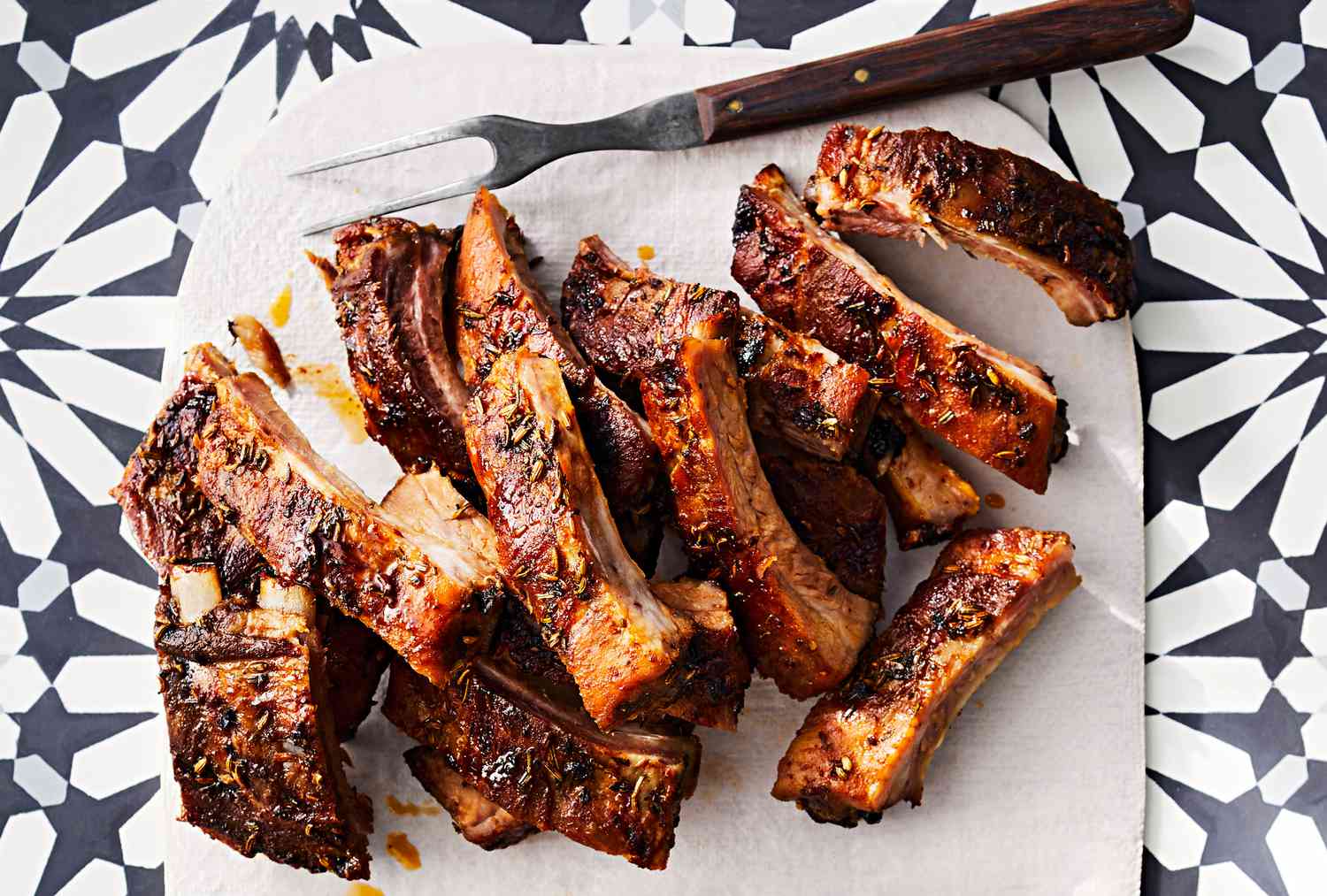
How Long to Bake Ribs: Achieve Tender, Juicy Oven Results
Achieving truly tender, fall-off-the-bone ribs is a culinary quest many home cooks embark on, and knowing precisely
how long to bake ribs in the oven is the ultimate secret weapon. While grilling offers a smoky charm, the oven stands out as the unsung hero for consistent, succulent results, making it our preferred method for everything from delicate baby backs to robust beef "dino" ribs. The controlled, even heat of your oven provides a virtually foolproof environment, ensuring that every bite is bursting with flavor and melt-in-your-mouth tenderness.
This comprehensive guide will demystify the art of baking ribs in the oven, covering optimal temperatures, cooking durations for various cuts, and essential tips to guarantee success every time. Forget dry, tough ribs – prepare to master the technique that delivers juicy, delicious meat effortlessly. For a deeper dive into the overall process, check out our
Oven Ribs Guide: Bake Perfect Baby Back, Spare & Beef Ribs.
Why the Oven Reigns Supreme for Ribs
When it comes to preparing ribs, many envision a grill sizzling over an open flame. However, the oven offers distinct advantages that make it an unparalleled choice for achieving consistently perfect results. Its ability to maintain a steady, uniform temperature is paramount. Unlike a grill, where flare-ups and hot spots can lead to uneven cooking and charred exteriors before the interior is tender, the oven creates a stable environment that allows the meat's connective tissues to slowly break down.
This "low and slow" cooking method is key. Over several hours, the gentle heat transforms tough collagen into gelatin, infusing the meat with incredible moisture and a luscious, tender texture that often makes ribs cooked this way literally fall off the bone. This process is not only less labor-intensive than grilling but also far more forgiving, making the oven an ideal choice for both novice and experienced cooks seeking that ultimate, juicy rib experience. It’s truly a foolproof method for
Best Oven Ribs: Foolproof Method for Fall-Off-The-Bone Meat.
Understanding Your Ribs: A Guide to Different Cuts
The first step to baking perfect
ribs in the oven is knowing your meat. Ribs come in a delightful array of cuts, each with its own characteristics that influence cooking time and flavor.
Pork Ribs
Pork ribs are the most common and beloved variety, typically found in two main forms:
*
Baby Back Ribs: These smaller, leaner ribs are cut from the section where the rib meets the backbone. They are curved and generally 6 inches long at the wide end, tapering to 3 inches. Baby back ribs are known for their tenderness but have less fat, so they require careful cooking to prevent drying out. Their smaller size also means a shorter cooking time.
*
Spare Ribs: Located lower down, towards the belly, spare ribs are larger, flatter, and contain more fat and connective tissue. This higher fat content renders them incredibly moist and flavorful during the slow cooking process. They take longer to cook than baby backs but offer a rich, meaty experience.
*
St. Louis-Cut Ribs: Essentially spare ribs that have been trimmed. The irregular rib tips (which contain cartilage and small bones) are removed, creating a more uniform, rectangular slab that's easier to cook evenly and present beautifully.
Beef Ribs
Beef ribs offer a more robust, beefy flavor and generally require longer cooking times due to their size and density.
*
Short Ribs: Often cut into 3-inch sections, these come from the short plate or chuck section of the cow. They are incredibly rich and flavorful, with a good balance of meat and fat that becomes wonderfully tender when slow-cooked.
*
Beef "Dino" Ribs (Plate Short Ribs): These are simply whole short ribs, often measuring around 12 inches long and weighing over a pound each. As their name suggests, they are impressively large and yield an incredibly tender, substantial portion of meat after slow cooking. You might need to visit a specialty butcher for these.
*
Flanken-Style Ribs: Also from the short rib section, these are cut very thin (about ½ inch) across the bone, exposing several small bone segments. Their thinness means they cook much faster, making them excellent for quick marinades and grilling, like in Korean kalbi.
Mastering Oven Rib Baking: Temperatures and Times for Every Cut
The optimal temperature and duration for baking
ribs in the oven depend largely on the type of rib and your desired tenderness. Patience truly is a virtue here; low and slow cooking is the ultimate path to fall-off-the-bone perfection. To keep the meat exceptionally moist, you'll want to keep the ribs covered or tightly wrapped for the majority of the cooking process.
Here's a general guide for achieving tender, juicy results:
Preparing Your Ribs for the Oven
Regardless of the type, always pat your ribs dry with paper towels. Many prefer to remove the silverskin membrane from the bone side of pork ribs (it's tough and doesn't break down easily). Season generously with your favorite dry rub.
General Oven Rib Baking Method
1.
Preheat Oven: Set your oven to the desired temperature (typically between 250°F and 325°F).
2.
Prepare for Baking: Place the seasoned ribs on a baking sheet, ideally on a rack set within the sheet to allow for even air circulation.
3.
Wrap/Cover: This is crucial for moisture.
*
Foil Method: Tightly wrap the ribs individually or in sections in heavy-duty aluminum foil. Ensure there are no gaps for steam to escape.
*
Covered Pan Method: Place ribs in a deep roasting pan, add a small amount of liquid (apple juice, broth, or water) to the bottom, and cover tightly with foil.
4.
Bake: Follow the time guidelines below.
5.
Uncover & Finish (Optional): For the last 30-60 minutes, remove the foil, drain excess liquid (if using the covered pan method), brush with barbecue sauce, and return to the oven (or increase temperature to 375-400°F) to caramelize the sauce. You can also finish under a broiler for a few minutes, watching carefully to prevent burning.
Estimated Baking Times for Different Rib Types
These times are for ribs cooked at a consistent temperature and covered or wrapped:
* **Pork Baby Back Ribs:**
*
At 275°F (Low & Slow): 2.5 - 3.5 hours
*
At 300°F (Medium): 2 - 3 hours
*
At 325°F (Faster): 1.5 - 2.5 hours
*
Tip: Baby backs are leaner, so avoid overcooking, especially at higher temperatures, to prevent dryness.
* **Pork Spare Ribs / St. Louis-Cut Ribs:**
*
At 275°F (Low & Slow): 3.5 - 4.5 hours
*
At 300°F (Medium): 3 - 4 hours
*
At 325°F (Faster): 2.5 - 3.5 hours
*
Tip: The extra fat in spare ribs benefits from longer, slower cooking to render out, contributing to deeper flavor and moisture.
* **Beef Short Ribs (3-inch sections):**
*
At 275°F (Low & Slow): 3 - 4 hours
*
At 300°F (Medium): 2.5 - 3.5 hours
*
Tip: Beef short ribs are incredibly forgiving with slow cooking. You can even go a bit longer for ultimate tenderness.
* **Beef "Dino" Ribs (Whole Plate Short Ribs):**
*
At 275°F (Low & Slow): 4 - 6 hours
*
At 300°F (Medium): 3.5 - 5 hours
*
Tip: These massive ribs thrive on extended, gentle heat. Ensure they are well-wrapped to maintain moisture throughout the long cook.
*
Flanken-Style Ribs:
* Given their thin cut, flanken ribs are rarely baked low and slow for hours. They are typically marinated and cooked quickly, often grilled, broiled, or pan-fried for 5-10 minutes total. If baking briefly, a higher temperature (375-400°F) for 15-20 minutes, covered, would be appropriate if finishing with a quick sear.
Achieving Perfection: Tips for Tender, Flavorful Ribs
Beyond just time and temperature, a few key practices can elevate your
ribs in oven game to professional levels:
*
Check for Doneness: The best way to tell if ribs are done is not just by time, but by feel.
*
The Bend Test: Pick up a rack of ribs with tongs in the middle. If the ribs are ready, they should bend significantly, and the meat should almost tear apart.
*
Bone Exposure: The meat should have pulled back from the ends of the bones by about ¼ to ½ inch.
*
Internal Temperature: While not a primary indicator for "fall-off-the-bone," a thermometer inserted into the thickest part of the meat (avoiding bone) should read between 190°F and 205°F for optimal tenderness. At these temperatures, the collagen has fully broken down.
*
Embrace the Rub: A good dry rub is the foundation of flavor. Apply it generously and let it sit on the ribs for at least 30 minutes, or even overnight in the fridge, allowing the flavors to penetrate the meat.
*
The Sauce Strategy: If using barbecue sauce, apply it in the final stages of cooking, after the ribs are already tender. This prevents the sauce from burning during the long, slow bake. Uncover the ribs, brush with sauce, and bake for another 30-60 minutes at a slightly higher temperature (375-400°F) or under a broiler for a few minutes, until the sauce is caramelized and sticky.
*
Resting is Best: Once cooked, allow the ribs to rest, still loosely covered with foil, for 10-15 minutes before slicing. This allows the juices to redistribute throughout the meat, resulting in an even more tender and moist outcome.
*
Don't Be Afraid of Liquid: A small amount of apple juice, broth, or even beer added to the bottom of your covered roasting pan can create a steamy environment that further aids in moisture retention and tenderness.
With these techniques and timing guidelines, you're well-equipped to transform raw ribs into an irresistible feast right from your oven. The consistent, gentle heat of oven baking is truly your best friend in the quest for tender, juicy, and profoundly flavorful ribs.
Conclusion
Baking
ribs in the oven is an undeniably superior method for achieving that coveted tender, juicy, and flavorful result every time. By understanding the nuances of different rib cuts, embracing the "low and slow" cooking philosophy, and paying attention to crucial details like covering and finishing, you can consistently produce restaurant-quality ribs with minimal fuss. No matter if you're tackling delicate baby backs or hearty beef short ribs, the oven provides the consistent, controlled environment needed to transform tough connective tissue into succulent, fall-off-the-bone perfection. So, preheat your oven, season your ribs, and prepare to delight your taste buds with truly exceptional homemade ribs.