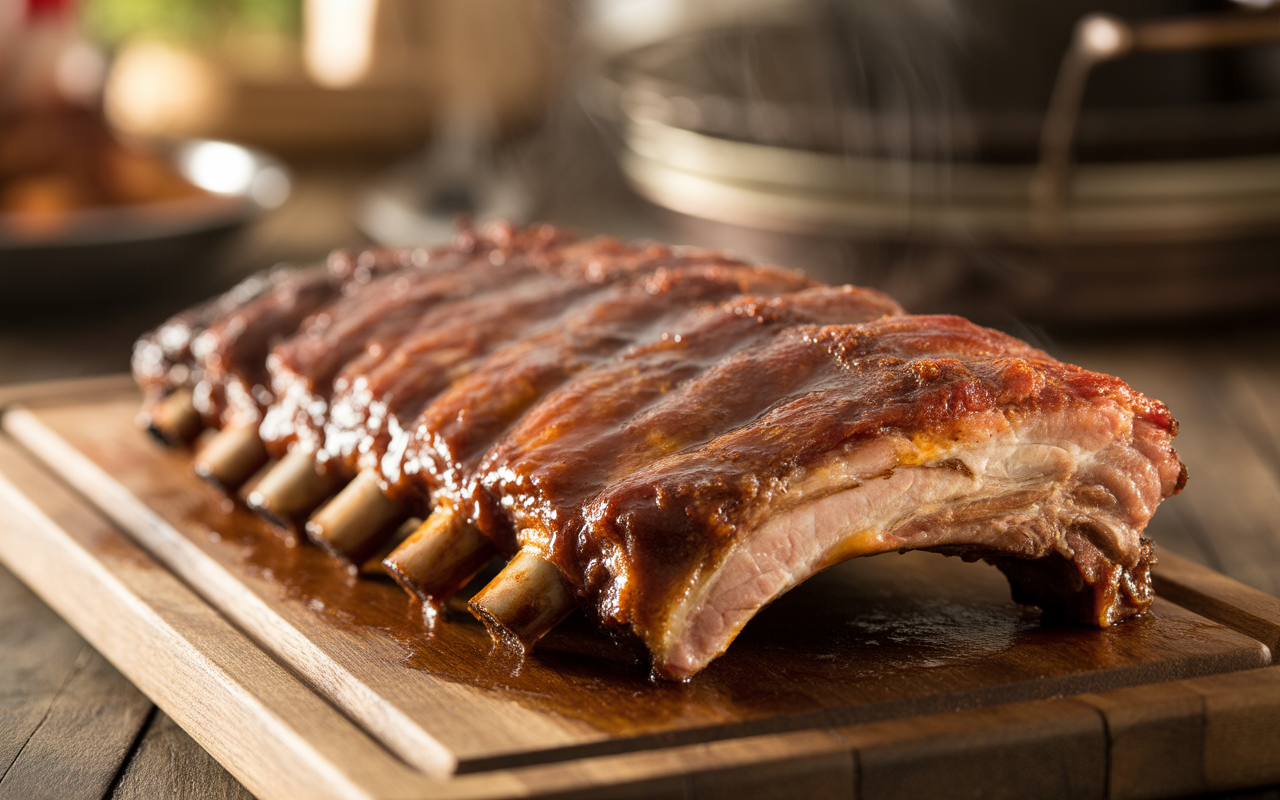
Unlock Ultimate Tenderness: Why Oven Ribs Reign Supreme
There's nothing quite like biting into a perfectly cooked rib – tender, juicy, and bursting with flavor that practically melts off the bone. While grills and smokers have their place, the oven stands out as arguably the most reliable and foolproof method for achieving consistently delicious results, especially for home cooks. Whether you're craving the delicate bite of baby back ribs, the robust richness of spare ribs, or the impressive stature of beef ribs, mastering the art of baking ribs in the oven opens up a world of culinary possibilities.
The secret to stellar oven-baked ribs lies in controlled, consistent heat. Unlike the fluctuating temperatures of outdoor cooking, your oven provides a stable environment that allows the meat's connective tissues to slowly break down, transforming tough cuts into succulent masterpieces. This guide will walk you through everything you need to know about cooking perfect ribs in your oven, ensuring every rack you prepare is a showstopper.
Navigating the World of Ribs: Pork vs. Beef
Before you even think about preheating your oven, understanding the different types of ribs available is crucial. Each variety boasts unique characteristics that influence cooking times and flavor profiles.
Pork Rib Varieties
When most people think of ribs, they're likely imagining one of these popular pork cuts:
- Baby Back Ribs: These smaller, more delicate ribs are cut from the section where the rib meets the backbone of the pig. Typically 6 inches long at one end, tapering to about 3 inches, baby backs are known for their tenderness and lean meat. Due to their lower fat content, they can dry out more easily if overcooked, so careful monitoring is key.
- Spare Ribs: Located further down the pig, spare ribs are larger, meatier, and boast a higher fat content than baby backs. This extra marbling renders them incredibly moist and flavorful when cooked low and slow. They are longer and less curved, making them a hearty choice.
- St. Louis-Cut Ribs: Essentially, St. Louis-cut ribs are spare ribs that have been trimmed into a more uniform, rectangular shape. The cartilaginous rib tips and other uneven bits are removed, resulting in a cleaner presentation and easier slicing. This doesn't change their cooking properties significantly from standard spare ribs, but many prefer their aesthetic.
Beef Rib Varieties
Beef ribs offer a different, often richer, experience. They are generally larger and require longer cooking times:
- Beef "Dino" Ribs (Plate Short Ribs): These impressive, often "cartoonishly large" ribs come from the short plate section of the cow. Ranging up to 12 inches long and weighing over a pound each, they are packed with rich, beefy flavor and a good amount of intermuscular fat. Sourcing full-sized beef short ribs often requires a visit to a specialty butcher.
- Short Ribs (Chuck or Plate): The more commonly available short ribs can come from either the short plate (like dino ribs) or the chuck section. Butchers typically cut them crosswise into shorter, more manageable sections (around 3 inches) for easier handling and cooking. They are incredibly flavorful and benefit greatly from slow, moist cooking.
- Flanken-Style Ribs: Also derived from the short rib section, Flanken-style ribs are cut very thin (about ½ inch thick) across the bones. Their thinness means they cook much faster than other beef ribs and are excellent for quick grilling, often seen in Korean barbecue dishes like kalbi (galbi) after a good marinade.
The Art of Baking Ribs in the Oven: Temperature, Time & Technique
The oven is a master at transforming tough cuts into tender delights. Here’s how to harness its power for your next batch of perfect oven ribs.
The "Low and Slow" Philosophy for Perfect Ribs
Patience is arguably the most vital ingredient when baking ribs. Cooking at a lower temperature for an extended period is what allows the collagen and connective tissues within the meat to slowly melt and render into gelatin, basting the meat from within. This process is responsible for the incredibly juicy, tender texture that truly "fall-off-the-bone" ribs possess. While quicker, higher-temperature methods exist, they often sacrifice some of that supreme tenderness. For a deeper dive into timing, consult our guide on How Long to Bake Ribs: Achieve Tender, Juicy Oven Results.
Essential Preparation Steps
- Remove the Membrane: On the bone side of pork ribs, there's a thin, silverskin-like membrane that can become tough and chewy when cooked. To remove it, use a knife to lift a corner, then grip it with a paper towel for traction and pull it off. This simple step vastly improves the texture of your finished ribs.
- Apply Your Rub: A good dry rub is the foundation of flavor. Mix your favorite spices – salt, pepper, paprika, garlic powder, onion powder, brown sugar, chili powder are common choices – and generously coat all sides of the ribs. For best results, apply the rub several hours or even overnight before cooking, allowing the flavors to penetrate the meat.
To Cover or Not to Cover?
Most experts agree that for the majority of the cooking time, ribs should be covered or wrapped. This traps moisture and steam, further aiding in the tenderization process. Heavy-duty aluminum foil is ideal for creating a tight seal. Near the end of cooking, however, removing the foil allows the surface to dry slightly, develop a delicious bark, and makes it receptive to your finishing sauce.
General Timing Guidelines for Baking Ribs in the Oven
While specific times can vary based on your oven, the exact thickness of your ribs, and desired tenderness, these general guidelines for baking ribs in oven will get you started:
- Pork Baby Back Ribs: At 275°F (135°C), plan for 2.5 to 3.5 hours, wrapped.
- Pork Spare Ribs / St. Louis-Cut Ribs: At 275°F (135°C), expect 3 to 4.5 hours, wrapped.
- Beef Short Ribs (approx. 3-inch cuts): At 275°F (135°C), target 3 to 4.5 hours, wrapped.
- Beef "Dino" Ribs (whole plate): These require the longest cook. At 275°F (135°C), they can take anywhere from 5 to 8 hours, often longer, depending on size and marbling.
For the last 30-60 minutes, remove the foil to allow the surface to firm up. If adding sauce, do so in the final 20-30 minutes, brushing it on generously and returning the ribs to the oven (uncovered) to allow the sauce to caramelize.
Achieving Fall-Off-The-Bone Perfection
How do you know when your oven-baked ribs are truly done? The most reliable indicators are:
- The Bend Test: Pick up a rack of ribs with tongs in the middle. If the meat easily bends and cracks, looking like it's about to break in half, they're ready.
- Meat Pullback: The meat should have pulled back from the ends of the bones, exposing about a quarter to half an inch of bone.
- Tenderness: If you gently twist a bone, it should come away easily from the meat.
For a detailed breakdown of doneness and foolproof methods, be sure to check out our comprehensive guide on Best Oven Ribs: Foolproof Method for Fall-Off-The-Bone Meat.
Pro Tips for Unforgettable Oven Ribs
- Rest Your Ribs: Just like any other cooked meat, ribs benefit from resting after coming out of the oven. Loosely tent them with foil for 10-15 minutes before slicing. This allows the juices to redistribute, resulting in a more tender and moist final product.
- Experiment with Rubs and Sauces: Don't be afraid to customize! From sweet and smoky to spicy and tangy, the world of rubs and sauces is vast. You can even layer flavors, using a dry rub during cooking and finishing with a different BBQ sauce.
- Use a Wire Rack: Baking ribs on a wire rack set inside a foil-lined baking sheet allows air to circulate around the entire rack, promoting even cooking and preventing the bottom from steaming too much. The foil catches any drips for easier cleanup.
- Don't Overcrowd the Pan: Give your ribs space. If you're cooking multiple racks, use separate baking sheets or ensure there's enough room for air to circulate. Overcrowding can lead to uneven cooking and steaming instead of baking.
Conclusion
Baking ribs in the oven is a truly transformative experience, turning humble cuts of meat into culinary masterpieces of tenderness and flavor. By understanding the different types of ribs, embracing the "low and slow" cooking philosophy, and applying a few key techniques, you can consistently achieve results that rival your favorite BBQ joint. So, preheat your oven, grab your preferred rack of ribs, and embark on a delicious journey to perfect ribs in oven – you won't be disappointed!
